Welcome To Taber’s Truths
Over 35 Years in Pastoral Ministry
Something about me
I am an alumnus of Life Pacific University and Multnomah Biblical Seminary.
I have been in pastoral ministry since 1988.
Today, I am the owner and managing editor of 3 successful Christian websites that support missionaries worldwide.
I am starting a new church in Mesquite, Nevada, called Mesquite Worship Center. It is a Non-Denominational, Spirit-filled Christian church.
Recent articles
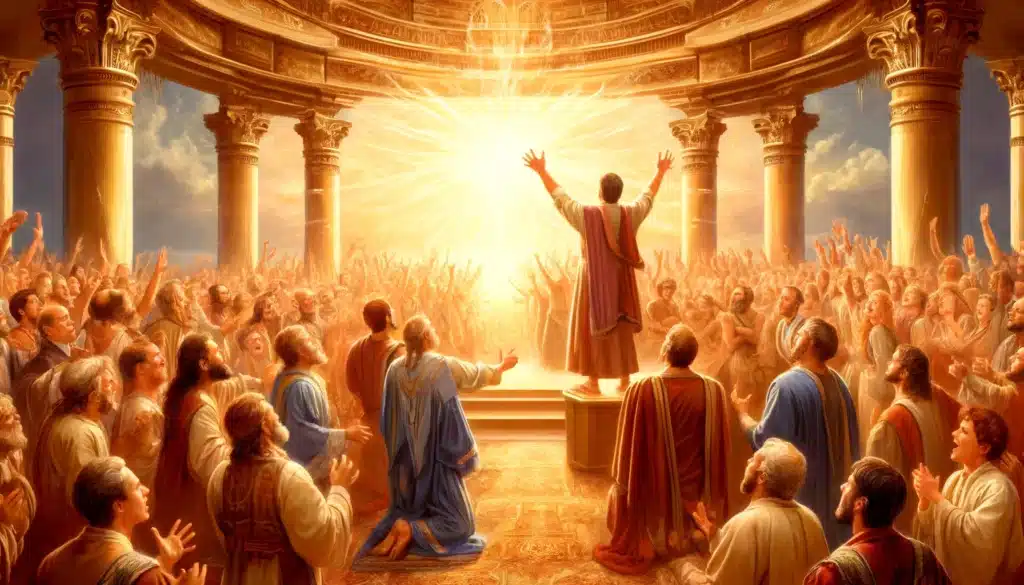
Key Biblical Revivals: Lessons for Today’s Faithful
In my years of exploring the depths of faith through the written Word, I’ve discovered the undeniable power of revival that courses through the Bible. It’s fascinating to see how, time and again, God breathes new life into His people, sparking transformations that ripple through history. From the individual awakenings of saints like David and … Read more

Finding Peace: Examples of Emotional Healing in the Bible
Exploring through life’s ups and downs, I’ve found solace and guidance in the profound wisdom of the Bible, especially when it comes to emotional healing. It’s fascinating how scriptures offer timeless insights into managing our deepest pains and finding peace amidst turmoil. In my journey, I’ve discovered that emotional healing isn’t just about moving past … Read more
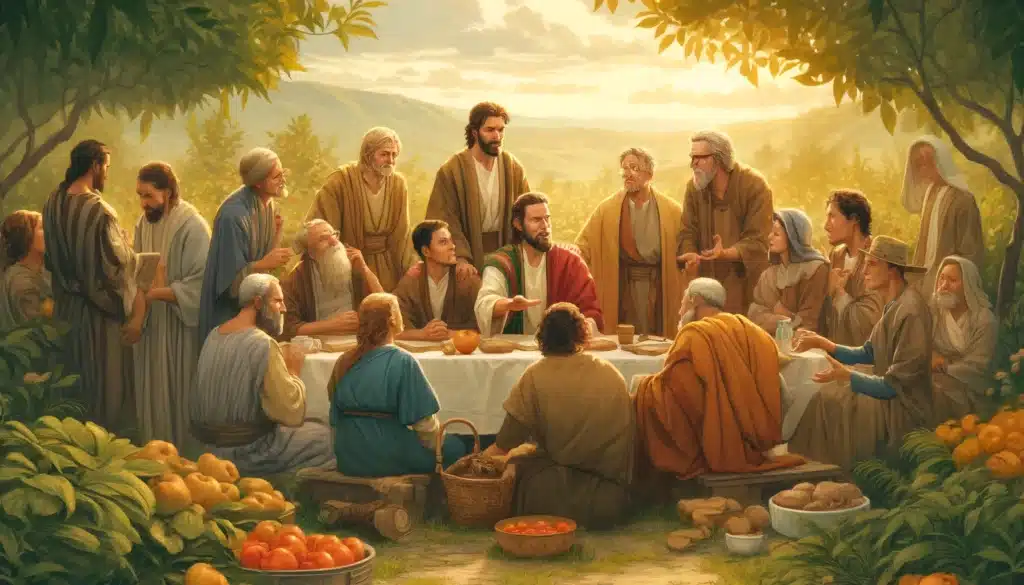
Servant Leadership in the Bible: Moses to Paul’s Inspiring Examples
In my journey through scripture, I’ve been captivated by the profound examples of servant leadership that resonate deeply with our faith. The Bible, rich in wisdom and guidance, offers unparalleled insights into the heart of true leadership as exemplified by Jesus and His interactions with His disciples. It’s in these sacred pages that we find … Read more
Sign up to keep up *
[insert your form shortcode here]